iPhone vs Android EMF Output: Which Phone Is Actually Safer in Australia?
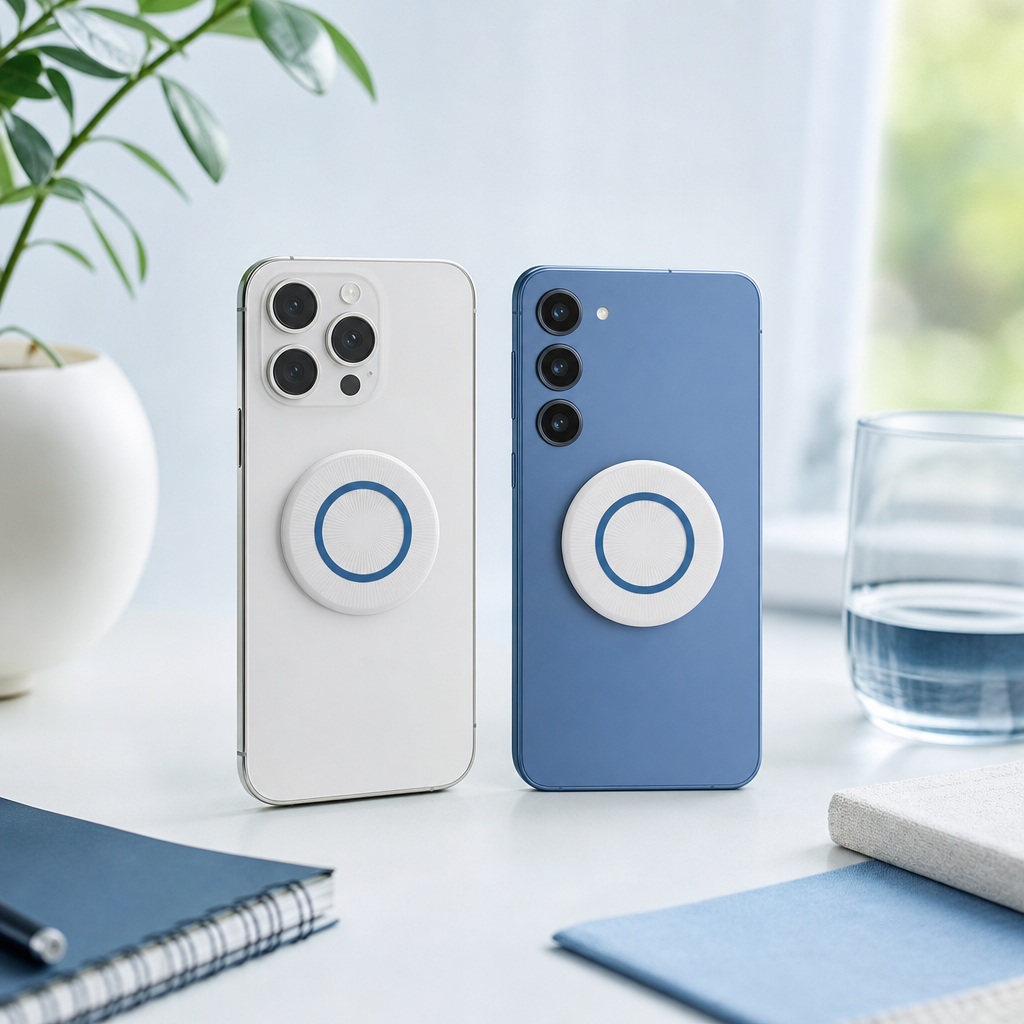
Direct Answer: Neither iPhone nor Android phones are meaningfully safer by SAR rating. Both must meet Australia's 2.0 W/kg limit, a standard enforced by ACMA and based on ARPANSA guidance, and flagship SAR figures from both platforms cluster in a similar range. Variation between individual Android models is often wider than the gap between operating systems, so brand choice is a weak safety lever on its own.
Every few months a new thread pops up asking whether an iPhone or a Samsung, Google, or Oppo handset is the 'safer' choice for radiation exposure. It is a fair question, and one worth answering honestly rather than with marketing spin from either camp. The short version: the regulatory system in Australia does not allow either platform to have a meaningfully higher output, and the real differences that matter are almost entirely about how you use the phone, not which logo is on the back.
This article walks through what SAR actually measures, how to check your own model's rating, which everyday habits move the needle far more than brand, and why we think the single-device SAR figure misses the bigger picture entirely. We will also cover the layered approach we recommend for anyone who wants to take control of their immediate environment rather than just swap handsets and hope.
Key Takeaways
- Both iPhone and Android flagships must meet the same 2.0 W/kg SAR limit enforced by ACMA and based on ARPANSA's radiofrequency standard.
- SAR is measured in idealised lab conditions against a single device, not in the real-world conditions of daily use.
- Model-to-model SAR variation within the Android category is frequently wider than the average difference between iPhone and Android.
- Usage habits (signal strength, body contact, call duration, bedside placement) affect your real exposure far more than your choice of brand.
- Cumulative daily exposure from a phone, router, smart meter, and laptop running simultaneously is not something a single-device SAR number can capture.
- Customers who apply neutraliser products across their high-device environments have reported estimated 70-90% reductions in headache frequency, based on qualitative outcome descriptions rather than clinical measurement.
Protect your family from EMF exposure
Browse our science-backed neutralizer products.
Shop EMF ProtectionSummary Table: iPhone vs Android at a Glance
- iPhone
- 2.0 W/kg (ACMA/ARPANSA)
- Android (flagship)
- 2.0 W/kg (ACMA/ARPANSA)
- What It Means
- Identical regulatory ceiling applies to both
- iPhone
- Fixed body-worn distance, maximum transmit power
- Android (flagship)
- Fixed body-worn distance, maximum transmit power
- What It Means
- Real-world use rarely matches lab conditions
- iPhone
- Relatively narrow across recent generations
- Android (flagship)
- Wider, varies more by manufacturer and chipset
- What It Means
- Individual model matters more than OS
- iPhone
- Signal strength and usage pattern
- Android (flagship)
- Signal strength and usage pattern
- What It Means
- Usage outweighs brand choice
- iPhone
- Same across both platforms
- Android (flagship)
- Same across both platforms
- What It Means
- Harmonising the field, managing signal, keeping distance
The Short Answer: Neither Platform Is Meaningfully Safer
If you are choosing a phone purely on EMF grounds, the honest answer is that the choice barely matters. Both iPhone and Android manufacturers must certify their handsets against the same Australian SAR limit before sale, and published figures for recent flagships sit in a similar band regardless of brand.
SAR (Specific Absorption Rate) measures how much radiofrequency energy a body absorbs from a device operating at its highest reported power output. In Australia, the enforceable limit is 2.0 W/kg averaged over 10 grams of tissue, a standard that ACMA requires under its arrangements and that reflects ARPANSA's radiofrequency exposure guidance. Every phone legally sold here, iPhone or Android, has to sit at or under that figure before it reaches a shelf.
What surprises most people is the spread within the Android category itself. A budget Android handset from one manufacturer and a flagship from another can post noticeably different SAR figures, sometimes a wider gap than you would see between that same flagship and the latest iPhone. Android is not one product line, it is dozens of manufacturers each with their own antenna design, chassis material, and internal layout, all of which affect how the handset radiates energy relative to the body. iPhone, by contrast, is a single manufacturer with a narrower model range, so its SAR figures naturally cluster more tightly generation to generation.
The practical takeaway is this: asking 'is iPhone or Android safer' is the wrong question. The better question is 'what does this specific model's SAR rating say, and more importantly, how do I actually use it day to day'. We will get to both.
What SAR Actually Measures, and Its Three Blind Spots
SAR tells you how much energy a single phone absorbs into tissue under laboratory conditions at maximum transmit power. It does not tell you your real-world exposure, because it ignores signal strength changes, multiple simultaneous devices, and how the phone actually sits against your body during normal use.
Understanding those gaps matters more than comparing two numbers on a spec sheet.
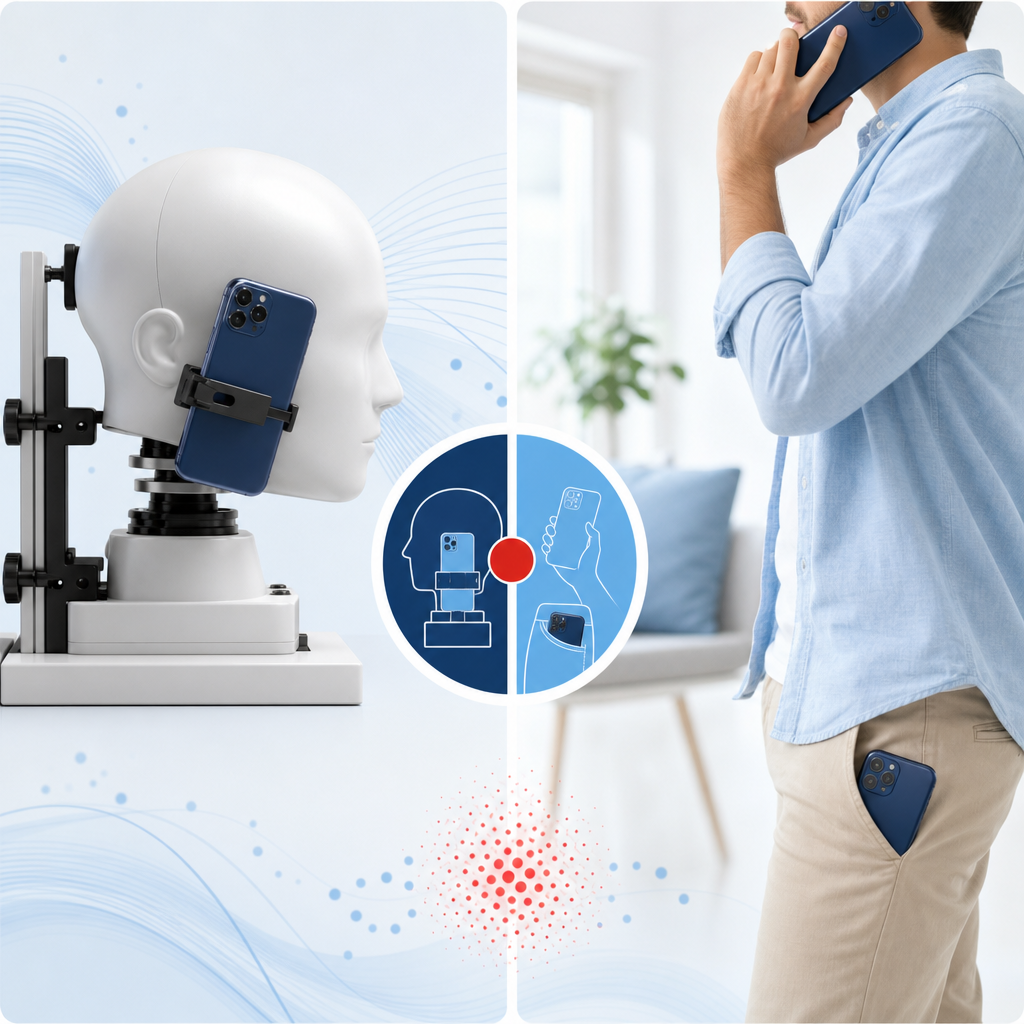
Blind Spot One: Lab-Only Positioning
SAR testing places the phone at a fixed, standardised distance from a simulated body, using a liquid-filled mannequin designed to approximate human tissue. That distance rarely matches how people actually carry or hold a phone. A phone in a back pocket, pressed against a laptop bag, or resting flat against a thigh sits closer to tissue than the lab configuration assumes in some scenarios, and further in others. The number on the box is a reference point, not a real-time reading of your personal exposure.
Blind Spot Two: Maximum-Power Testing
SAR figures are generated at the phone's highest transmit power, the level it reaches when straining to maintain a connection. In good signal conditions, most phones transmit at a fraction of that maximum most of the time. In poor signal conditions, and this is the important part, the phone can sit at or near maximum power for extended periods, meaning your actual exposure in a weak-signal area may run far closer to the tested ceiling than it does in a strong-signal area with the same handset.
Blind Spot Three: Single-Device Scope
This is the blind spot we think matters most, and it is the one almost no comparison article mentions. SAR testing evaluates one phone in isolation. It says nothing about what happens when that phone operates in the same room as a Wi-Fi router, a smart meter, a laptop, a smart TV, and a set of wireless earbuds, all transmitting at once, for hours at a stretch. A single-device number cannot capture a multi-device reality, and for most Australians in 2026, multi-device reality is simply daily life.
How to Check Your Own Phone's SAR Rating in Australia
You can find your specific model's SAR rating through the phone's own regulatory information, the manufacturer's published specifications, or by looking up the device's compliance details online. This takes a few minutes and gives you a far more useful figure than any generic brand comparison.
On an iPhone, go to Settings, then General, then Legal & Regulatory, and look for the RF Exposure section, which links to Apple's published SAR information for your exact model. On most Android phones the path is similar: Settings, then About Phone, then Legal Information, then RF Exposure or SAR Information, though the exact menu wording varies by manufacturer. If you cannot locate it in settings, the manufacturer's official specifications page for your model will list it, and it is also included in the printed or digital user guide that ships with the device.
A few practical notes when you do this. First, compare like with like: a phone's 5G mmWave SAR figure and its 4G/LTE SAR figure can differ, so check which frequency band the figure refers to. Second, remember that even within a single model, different colour or storage variants occasionally carry marginally different figures due to minor internal layout changes, though this is rarely significant. Third, treat the number as one input among several, not a verdict. As covered above, it is a lab-only, maximum-power, single-device figure. Useful, but partial.
The Usage Factors That Matter More Than Your Handset Brand
How you use your phone changes your real-world exposure far more than which brand you choose. Weak signal, body contact, call duration, and bedside placement each push transmit power or proximity in ways that dwarf the SAR gap between comparable flagship models.
If you want to reduce your actual exposure rather than chase a marginally lower spec sheet number, these are the habits worth changing.
Weak Signal Boosting Transmit Power
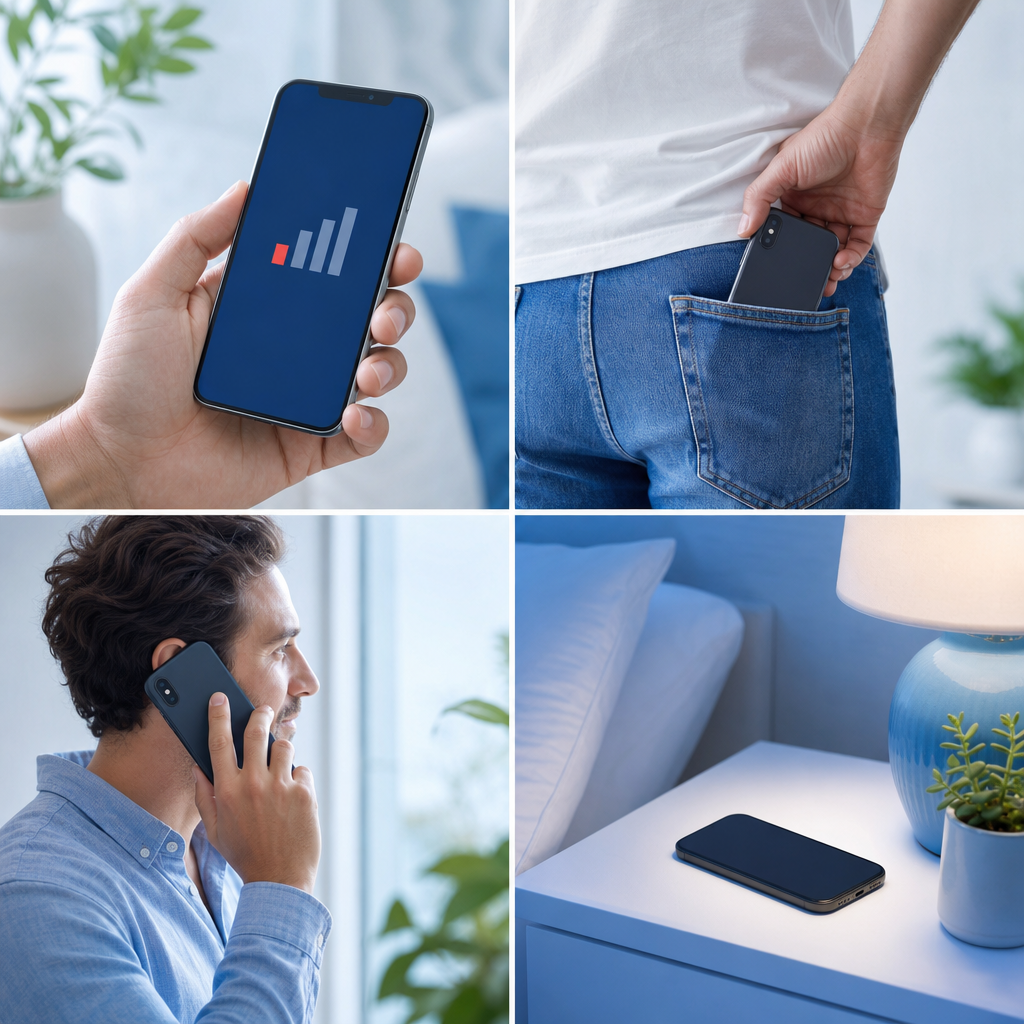
A phone hunting for signal in a basement, a lift, a regional blackspot, or a building with poor coverage will ramp up its transmit power to maintain the connection. This is the single biggest real-world variable in the entire conversation, and it applies equally to iPhone and Android. If you are regularly in low-signal areas, your exposure from that handset is likely higher than someone with an older, technically higher-SAR phone who has excellent reception.
Carrying the Phone Against the Body
Phones carried in a front or back pocket, tucked into a bra, or clipped to a belt sit in sustained, close contact with tissue for hours at a time. Manufacturers account for body-worn use in their testing, but constant skin contact for an entire workday is a different exposure pattern to occasional handling. Using a bag, using a case with card slots facing outward, or simply keeping the phone on a desk rather than in a pocket during long stationary periods reduces cumulative contact time.
Calls Held Directly to the Head
Voice calls held against the ear place the antenna closer to the head than almost any other use case. Speakerphone, wired headphones, or a call taken with the phone on a desk all reduce that proximity substantially. For anyone taking long or frequent calls, this single habit change likely does more than any handset swap ever will.
Sleeping With the Phone Bedside
A phone left on a bedside table overnight maintains an active connection for eight hours, often at fluctuating power as it manages background tasks, notifications, and connectivity checks. This is sustained, close-range exposure during the exact hours the body is meant to be recovering. Moving the phone across the room, switching to aeroplane mode overnight, or using a proper bedside solution addresses this directly.
The Harmonising Approach: Treating the Whole Field, Not Just the Handset
Since brand choice barely moves the needle and usage habits only get you partway there, the more effective approach is harmonising the electromagnetic field around the devices you already own, rather than chasing an incrementally lower SAR spec on your next upgrade.
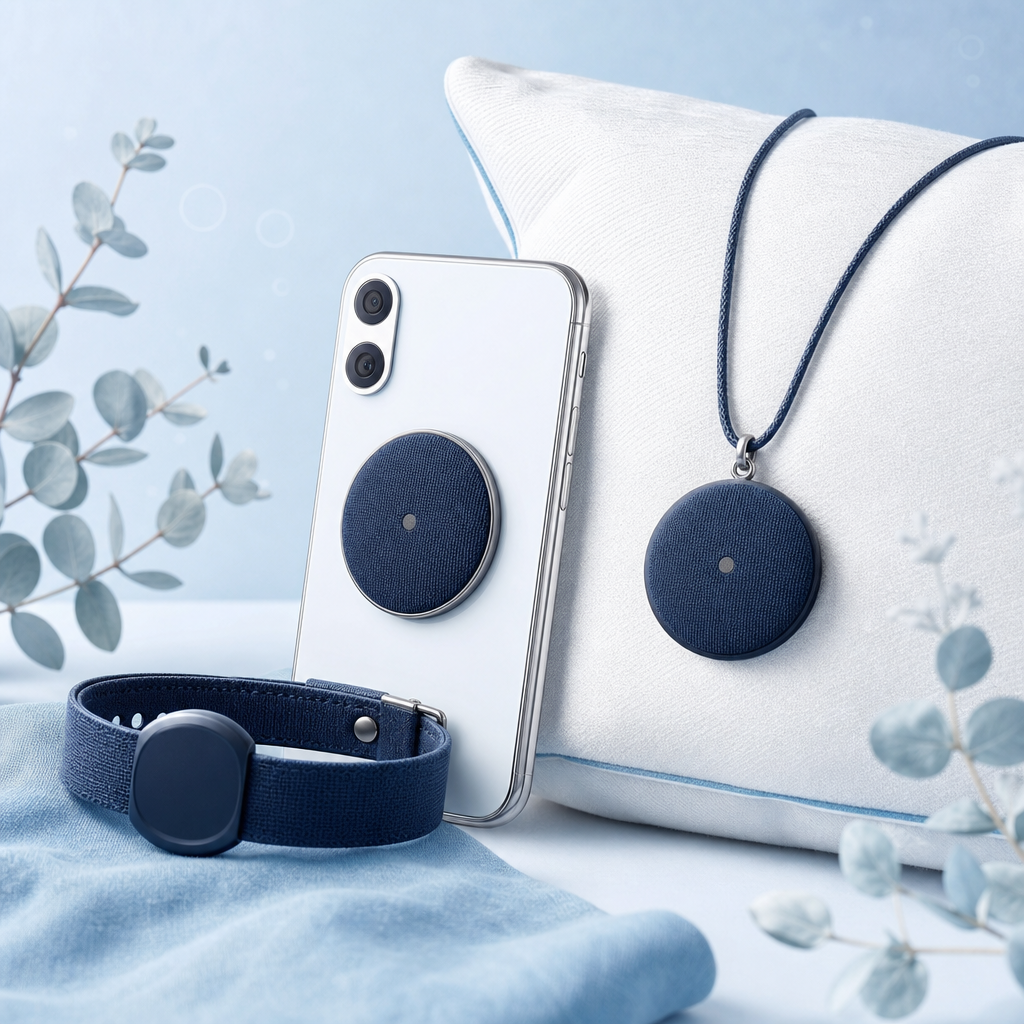
This is where we focus our own work. An Aulterra neutraliser disc applied directly to the back of a phone is designed to work with whichever handset you already have, iPhone or Android, flagship or budget model. It does not change the phone's SAR rating or its regulatory certification, and we do not claim otherwise. What it addresses is the field the device produces during normal use, applied at the point of contact rather than relying on you remembering to change ten different habits every day.
For coverage beyond the phone itself, a neutraliser pendant or wristband extends the same principle to the body as it moves through other electromagnetic environments during the day: public transport, offices full of Wi-Fi access points, shopping centres, or areas with heavy 5G infrastructure. For the bedside exposure issue specifically, an EMF energy pillow addresses the eight hours a night most people spend within arm's reach of a phone, a router, or a smart alarm clock.
We think of this as layered EMF protection: the disc on the device, the pendant or wristband on the person, and the pillow addressing the one location where exposure is most sustained and least changeable. None of these products change what a handset is capable of transmitting. What they are designed to do is neutralise the way that field interacts with the body across a full day, rather than leaving you to manage a dozen small usage rules on your own.
Practical Checklist Before You Upgrade
Before switching phones for EMF reasons alone, check your current model's actual SAR rating, review your daily usage habits, and consider whether harmonising your existing device would achieve more than a brand swap. Most people find the answer is habit change and field management, not a new handset.
- Look up your current phone's SAR rating in Settings or on the manufacturer's site before assuming a new model will be lower.
- Audit your signal conditions at home and work; poor reception drives transmit power up regardless of brand.
- Move calls to speakerphone or wired headphones where practical.
- Keep the phone off the body during long stationary periods (desk, couch, bed).
- Move the phone away from the bed overnight, or use aeroplane mode.
- Apply a neutraliser disc to whichever phone you already own rather than waiting for a new model.
- Address the bedside environment specifically, since it is the longest single block of close-range exposure most people have.
Why Cumulative Load Matters More Than Any Single SAR Number
We think the entire iPhone-versus-Android debate misses the point, because it treats each phone as if it operates alone. In reality, most Australians in 2026 are within arm's reach of a phone, a Wi-Fi router, a laptop, and often a smart meter or smart TV, simultaneously, for most of their waking hours. Regulatory SAR thresholds are built around single-device, acute exposure testing. They were never designed to describe a person sitting at a desk with four active transmitters running at once for eight hours straight, which is precisely the environment most home offices and open-plan workplaces now represent.
This is the invisible electromagnetic burden we spend most of our working lives around, and it is why we focus on the aggregate daily load rather than any single device's spec sheet. Regardless of whether each individual device technically falls under its regulated threshold, the combined environment is what the body actually experiences, all day, every day.
We have seen this play out directly. In one case we worked on, an individual working long hours at a desk surrounded by a laptop, an external monitor, a mobile phone, and wireless peripherals was experiencing persistent headaches and difficulty concentrating throughout the workday. We applied neutraliser products directly to each device in that workspace, addressing the concentrated cluster of electromagnetic field sources accumulating across a standard eight-hour day. Over the following four weeks, headache frequency was estimated to drop by 70-90%, based on the individual's own qualitative reporting, with markedly improved concentration and less of the mental fatigue that had previously set in every afternoon. We want to be clear that this is a qualitative outcome description from one case, not a clinical trial result, and we do not present it as one.
We have also worked with people whose situation makes this more urgent than a general wellbeing preference. One customer we assisted has a severe allergic sensitivity that is measurably worsened by phone and laptop use, to the point of being legally recognised as a disability. Applying a neutraliser disc to her phone gave her noticeable relief. On one occasion the disc came away from the device and she became unwell within a short period, which she attributed directly to the loss of coverage. She later added a pendant for broader coverage through built-up areas, including during air travel, and describes it as one of the more significant changes she has made to how she manages her condition day to day.
We have also had the work independently tested. Peter Mitchell, Principal Physiotherapist and owner of Narang Physiotherapy on the Gold Coast, adopted neutraliser discs across his laptops, mobile phones, and his home and office environments after using them personally. He has since conducted his own kinesiology-based testing and now stocks the Aulterra range in his clinic, reporting that his testing found the products effective in reducing stress responses linked to radiofrequency exposure from everyday devices.
Across the customer outcomes we have gathered over time, we estimate a 60-85% improvement in perceived EMF-related fatigue following product application, again drawn from qualitative customer reporting rather than laboratory measurement. We are not claiming these figures as clinical evidence, and we would rather understate this than overstate it. We are simply saying that when people neutralise their environment rather than relying on a single device's compliance certificate, the reported change in day-to-day wellbeing is consistent and, in our experience, considerable.
Your handset brand is the variable you have almost no real control over once you have narrowed down features, price, and ecosystem. The cumulative field around that handset, and around every other device sharing your desk, your bedroom, or your commute, is the variable you can genuinely take control of. That is the distinction we think is missing from most of the iPhone-versus-Android EMF conversation, and it is the one we build our entire product range around.
References
- Australian Radiation Protection and Nuclear Safety Agency (ARPANSA), Radiofrequency EME standard and public information: https://www.arpansa.gov.au
- Australian Communications and Media Authority (ACMA), mobile phone compliance and EME arrangements: https://www.acma.gov.au
- World Health Organization, Electromagnetic fields and public health: mobile phones fact sheet: https://www.who.int/news-room/fact-sheets/detail/electromagnetic-fields-and-public-health-mobile-phones
- Australian Mobile Telecommunications Association (AMTA), EME information programme: https://www.amta.org.au
Stay informed on EMF wellness
Get practical tips and product updates in your inbox.
Frequently asked questions
Does iPhone or Android emit more EMF radiation?
Neither platform reliably emits more radiation as a category. Both must meet Australia's 2.0 W/kg SAR limit, and published figures for comparable flagship models cluster closely. Variation between individual Android models is often larger than the average gap between the two operating systems, so the specific model matters more than the brand.
What is the SAR limit for phones in Australia?
The enforceable limit is 2.0 W/kg averaged over 10 grams of tissue, a standard ACMA requires of all phones sold in Australia, based on ARPANSA's radiofrequency exposure guidance. Every legally sold handset, iPhone or Android, must test at or below this figure before release.
Where can I find my phone's SAR rating in Australia?
On iPhone, check Settings, General, Legal & Regulatory, then RF Exposure. On most Android phones, check Settings, About Phone, Legal Information, then RF Exposure or SAR Information. If you cannot find it there, the manufacturer's official specifications page for your exact model will list it.
Which phone emits the most EMF?
There is no single answer, because SAR varies by model, not by operating system. Budget Android handsets and flagship Android handsets can post noticeably different figures from each other, sometimes a wider spread than exists between the top Android model and the current iPhone. Check your specific model's published figure rather than assuming a brand-wide answer.
Do EMF neutraliser discs actually reduce phone radiation exposure?
A neutraliser disc does not change a phone's SAR rating or its regulatory certification. What it is designed to do is harmonise the field the device produces during normal use. Customers applying discs across high-device environments have reported estimated 70-90% reductions in headache frequency, based on qualitative outcome descriptions rather than clinical measurement.
Is it safe to carry my phone in my pocket all day?
Carrying a phone against the body for extended periods increases sustained proximity to tissue compared to occasional handling. Manufacturers account for body-worn use in testing, but reducing constant skin contact, using a bag instead of a pocket during long stationary periods, and keeping the phone off the body overnight are simple, practical adjustments.
Richard Kent
Science-backed EMF wellness education from the EMF Neutralizer team.
Related articles
Does Phone EMF Protection Actually Work? An Evidence-Based Look for Australians
Phone EMF protection products such as the Aulterra neutraliser disc do not block or reduce mobile radiation, and they are not designed to. Genuine harmonising d…
Best EMF Protection Sticker for Your Phone in Australia: An Honest Review and Comparison
The best 'EMF protection sticker' for an Australian phone user is the Aulterra Neutralizer Discs 3-Pack — small adhesive discs applied one per device, starting…

Do EMF Pendants Actually Work? An Honest Answer for Australians
EMF pendants are not designed to block or shield electromagnetic fields the way a bed canopy, Faraday enclosure, or device pouch does. They are designed to harm…