Best EMF Protection for Electric Cars in Australia: Tesla, BYD and Other EV Owners' Guide
The best EMF protection for an electric car is a layered setup: a whole-car USB neutralizer plugged into the cabin, neutralizer discs on the phone, dash cam and wireless charger, and a pendant or wristband for personal wear. These products harmonise your environment. They do not shield or block fields.
Introduction
If you drive a Tesla Model 3 or Y, a BYD Atto 3, Seal or Dolphin, or an MG4, you have probably already read about what happens inside an EV cabin. This guide does not repeat that science. Our separate article on EV EMF exposure covers it, so start there if you want the background.
This article is about product choice. You will see what to look for, how each Aulterra option fits an EV, and which combination suits a commuter, a family car or a rideshare driver. We have also been upfront about what these products are and what they are not.
Protect your family from EMF exposure
Browse our science-backed neutralizer products.
Shop EMF ProtectionKey Takeaways
- An EV cabin puts several sources close together for long stretches: the battery and motors, Bluetooth, wi-fi, and phones on chargers.
- ARPANSA considers typical exposures within guidelines. Our position is that the combined, cumulative load is the part worth addressing.
- The Aulterra whole-car USB neutralizer is the simplest first step because it plugs into a USB port and covers the cabin.
- Discs target individual devices. Pendants and wristbands travel with you between car, home and office.
- Hours in the cabin and the number of devices you run should drive your choice, not the badge on the bonnet.
- None of these products shield, block fields or lower meter readings, and none make medical claims.
Summary Table
- Best for
- Every EV owner as a starting point
- Coverage
- Whole cabin
- Setup effort
- Plug in and leave
- Australian heat consideration
- Keep out of direct sun where possible
- Best for
- Phones, dash cams, wireless chargers
- Coverage
- Individual devices
- Setup effort
- Stick on, one-off
- Australian heat consideration
- Apply to clean, dry surfaces
- Best for
- Drivers and passengers who move between spaces
- Coverage
- Personal
- Setup effort
- None, just wear
- Australian heat consideration
- Skin-contact friendly
- Best for
- Active wearers, rideshare and long-shift drivers
- Coverage
- Personal
- Setup effort
- None, just wear
- Australian heat consideration
- Comfortable for daily wear
Why Do EV Owners Ask About EMF in Their Cars?
EV owners ask about EMF because a closed cabin concentrates several sources in a small space. The battery pack, drive motors, Bluetooth, wi-fi and a phone on a charging pad all operate together. ARPANSA considers typical exposures within guidelines. Our view is that the combined load still deserves attention.
Let us be fair to the regulator first. ARPANSA, the Australian Radiation Protection and Nuclear Safety Agency, sets exposure limits and considers typical everyday exposures to be within them. Each device in your car is assessed against those limits individually.
Here is where we hold a different position. Limits are framed around individual devices and acute exposure. They are not framed around a person sitting in a small, closed space with a phone charging wirelessly, Bluetooth streaming, a tablet on wi-fi and an electric drivetrain, day after day. We call that the invisible electromagnetic burden of modern life, and in a car it is stacked into one compact space.
We believe the relevant measure is cumulative daily exposure, not any single device in isolation. That is a position, not a regulatory finding, and we state it as ours. The aim is not fear. It is taking control of your immediate environment with simple, low-effort steps.
If you want the exposure science, see our existing article on EV EMF exposure. For a look at what is measured inside vehicles generally, our piece on EMF levels inside cars goes further.
What Should You Look for in Car EMF Protection?
Look for three things: a setup you will actually maintain, a clear answer to whether it covers the whole cabin or only you, and build quality that survives Australian summers. A product that is fiddly, fragile or confusing will end up in the glovebox and do nothing.
Ease of use
Cars are not lounge rooms. You want something you set once and forget. A USB plug-in, a stick-on disc or a pendant you put on with your keys all meet that test. Anything that needs charging, pairing or an app adds friction, and friction means it stops being used.
Whole-cabin versus personal coverage
This is the most useful distinction for buyers. A whole-car product works on the shared space, so everyone in the vehicle is in the same environment. A personal product, such as a pendant or wristband, stays with one person. Passengers who share the cabin and people who move between car, home and office have different needs, and the best setups combine both.
Durability in Australian heat
A parked car in an Australian summer gets very hot. Dashboards, USB ports and adhesive surfaces all take a beating. Check how a product is built, keep it out of direct sun where you can, and apply discs to clean, dry surfaces so they stay put. Check current care guidance on the product page rather than assuming.
What to ignore
Be wary of any product that promises to block fields, drop your meter reading or fix a medical complaint. If a seller says that, walk away. The Aulterra range is positioned as harmonising, and we will not claim more than that.
Aulterra Whole-Car USB Neutralizer: How Does It Work in a Tesla or BYD?
The Aulterra whole-car USB neutralizer is a plug-in unit that runs from a standard USB port in your cabin and is designed to harmonise the surrounding environment. It is the simplest starting point for any EV owner. You plug it in and leave it there.
Setting it up in a Tesla
In a Model 3 or Model Y, use a USB port in the centre console. Plug the unit in and tuck it out of the way so it does not rattle or get in the way of a phone cable. Check your owner's manual for which ports are powered when the car is awake, since port behaviour can vary by model year and software settings.
Setting it up in a BYD
BYD models such as the Atto 3, Seal and Dolphin have USB ports in the console area. The approach is the same: plug it into a powered port, route any slack neatly and leave it. If you use one port for a phone cable, use the other for the neutralizer so you are not swapping plugs every trip.
Why we suggest it first
It covers the shared cabin rather than a single device or person. It needs no daily action. For an EV owner who wants a simple setup, it is the least effort for the most coverage. That is why our call to action for this article is the car USB neutralizer, with discs or a pendant as the add-on for whole-day coverage.
What it is not
It does not shield the cabin or block the battery, motors, Bluetooth or wi-fi. Your phone will still connect, your car will still charge and your screens will still work. It is not a medical device and we do not present it as one.
How Do Neutralizer Discs Work on Phones, Dash Cams and Wireless Chargers?
Neutralizer discs are small adhesive discs applied directly to individual devices. They suit the items closest to you in the cabin: your phone, your dash cam and your wireless charging pad. They add a device-level layer on top of the whole-car unit.
Which devices to prioritise
In most EVs, three items sit closest to the driver and run for the whole trip.
- Phone: it is usually in a mount, in a pocket or on a charging pad, and almost always connected.
- Wireless charger: it sits in the console and typically has a phone on it for the full drive.
- Dash cam: it runs continuously and is often powered from the cabin.
If you also run a tablet for passengers, a hotspot or a second phone, add discs to those too.
Application tips for Australian conditions
Clean the surface first and make sure it is dry. Press the disc down firmly and let it settle before using the device. Avoid placing it where it will cop direct afternoon sun if you can. Our guide on how to apply a neutraliser disc walks through placement step by step.
When discs make the most sense
Discs are the right add-on when you are already using the car unit and want to go further on the devices you handle most. They are also the most affordable way to extend the same approach to your home and office, because the same disc logic applies to a laptop or router.
Are Pendants and Wristbands Worth It for Drivers and Passengers?
Pendants, necklaces and vitality wristbands are worth considering if you move between the car, home and office. A whole-car unit only works in the car. Personal wearables go wherever you go, giving you consistent, layered EMF protection across the whole day.
Pendants and necklaces
A pendant suits a driver who wants a set-and-forget option. Put it on in the morning and you are covered in the car, at your desk and at home. Passengers, especially older children and partners who ride along regularly, can wear their own. If you are weighing styles and what suits daily wear, our guide to the best EMF protection jewellery compares the options.
Vitality wristbands
Wristbands suit people who prefer something less visible or who are active on shift. Rideshare drivers and tradies who spend half their day in a vehicle often prefer a band to a pendant because it stays out of the way of seatbelts and clothing.
Who benefits most
Personal wearables are strongest for people whose day is split across several environments. If you only ever drive a few short trips, the car unit may be enough. If your day moves from the cabin to a laptop to a café, the wearable does the work the car unit cannot.
A note on customer feedback
Customers who drive a lot often describe feeling less fatigued once they set up their car. We want to be clear that this is qualitative customer feedback only. It is not measured, clinical or guaranteed, and results vary from person to person.
Which EMF Protection Combination Suits Your Driving Habits?
Match the setup to your hours in the car and the number of people and devices involved. A commuter needs the car unit plus a personal wearable. A family car benefits from discs on shared devices. A rideshare driver, who lives in the cabin, should layer all three.
The daily commuter
Consider a driver with a long commute each way, a phone on a wireless charger, Bluetooth streaming and a dash cam running. The cabin is where they spend their longest unbroken stretch of the day. For them we suggest the whole-car USB neutralizer, a disc on the phone, and a pendant or wristband so the same approach carries on at the office and at home. This is an illustration, not a case study.
The family car
A family car has more people and more devices: kids' tablets, a hotspot, a second phone. Start with the whole-car unit because it serves everyone in the shared cabin. Add discs to the tablets, phones and charger. Give older kids or a partner their own pendant or band if they ride along often.
The rideshare driver
A rideshare driver is in the car for most of the shift with two phones, a mount, a charger, a dash cam and often a passenger's devices as well. This is the heaviest cabin load of the three. Layer everything: the car unit, discs on every device you control, and a wearable so your protection continues when you step out between fares.
- Core product
- Whole-car USB neutralizer
- Add-ons
- Disc on phone, pendant or wristband
- Why
- Long unbroken cabin time, then desk and home
- Core product
- Whole-car USB neutralizer
- Add-ons
- Discs on tablets, phones, charger
- Why
- Many devices, many people
- Core product
- Whole-car USB neutralizer
- Add-ons
- Discs on all devices, wearable
- Why
- Most hours in the cabin
Why We Tell EV Owners to Buy by Hours, Not by Badge
Tesla versus BYD versus MG is the wrong question. The variables you control, such as hours in the cabin, devices you run and the places you move between, shape your cumulative daily exposure far more than the badge on the bonnet. Buy for your habits.
Most buyer's guides organise advice by car model. We think that misses the point. A BYD Dolphin used for a ten-minute school run and a Model Y used for a full rideshare shift are different environments, even though both are EVs. The car is a constant. Your use of it is the variable.
So we suggest a simple filter. Count the hours you spend in the cabin each week. Count the devices running during those hours. Then decide whether you need a cabin-level layer, a device-level layer, a personal layer, or all three. That is how we think about layered EMF protection, and it is why the setups above are built around driving patterns rather than models.
We also want to be straight with you about limits. These products are not for people who want a meter to show a lower number, because they do not shield or block anything. They are for people who share our view that the combined, cumulative load matters, and who want to support their biology and neutralise their environment with minimal effort. If you are not persuaded by that view, you will not get value from the products, and that is fine. ARPANSA's position remains that typical exposures are within guidelines, and you should weigh both views for yourself.
We believe your home should work with you, not against you, and the same goes for the space you spend your commute in.
Where Should You Start?
Start with the car USB neutralizer. It is the simplest, lowest-effort way to address the shared cabin, and you can add to it later. Then add discs on the phone and charger, or a pendant, for whole-day coverage across the car, home and office.
Shop the Aulterra car USB neutralizer at EMF Neutralizer, then look at neutralizer discs or a pendant as your add-on. The product page for the car unit has current specifications and care guidance. Our pendants category lists the wearable options if you would like to browse styles.
References
- ARPANSA, Australian Radiation Protection and Nuclear Safety Agency
- World Health Organization, Radiation: Electromagnetic fields
- ICNIRP, Guidelines for Limiting Exposure to Electromagnetic Fields (100 kHz to 300 GHz), 2020
Stay informed on EMF wellness
Get practical tips and product updates in your inbox.
Frequently asked questions
Do electric cars have more EMF than petrol cars?
It depends on what you measure and where. EVs have a high-voltage battery, drive motors and extensive electronics, while petrol cars have their own electrical systems. ARPANSA considers typical exposures within guidelines. Our article on EV EMF exposure covers the science in more detail.
Will a car EMF neutraliser work in a Tesla or BYD?
The Aulterra car USB neutralizer plugs into a standard USB port, so it can be used in Tesla Model 3 and Y and BYD models such as the Atto 3, Seal and Dolphin. Use a port that is powered while the car is on, and check your owner's manual for port behaviour.
Do EMF neutraliser products block Bluetooth, wi-fi or phone signal?
No. They are not designed to shield or block fields, so your phone, Bluetooth and wi-fi will keep working as normal. They are positioned as harmonising products, not barriers.
Where should I put neutralizer discs in my car?
Put them on the devices you use most: your phone, wireless charging pad, dash cam and any tablet. Clean and dry the surface first and press firmly. Avoid spots with constant direct sun where you can, especially in summer.
What is the best EMF setup for a rideshare driver?
Rideshare drivers spend the most hours in the cabin, so a layered setup makes sense: the whole-car USB neutralizer, discs on every device you control, and a pendant or wristband that stays with you between fares.

Richard Kent
Science-backed EMF wellness education from the EMF Neutralizer team.
Related articles
How to Reduce EMF in Your Car: 8 Practical Tips for Australian Drivers
To reduce EMF in your car, mount your phone on the dash instead of carrying it in a pocket, switch off unused hotspots, Bluetooth and wireless charging pads, us…
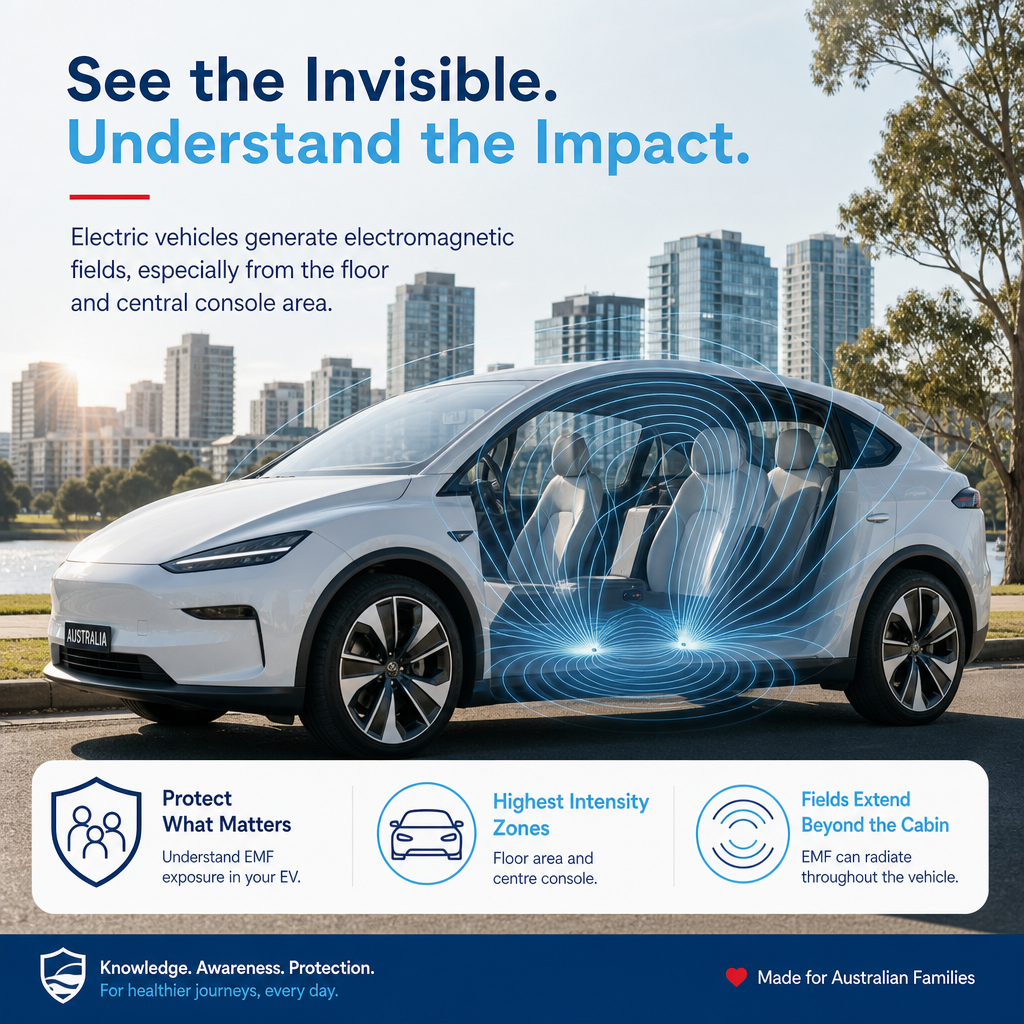
Electric Vehicle EMF Exposure Australia: What EV Drivers Should Know About In-Car Fields
Published measurements generally place electric vehicle magnetic fields within ICNIRP and ARPANSA reference levels, so there is no regulatory basis for alarm. F…
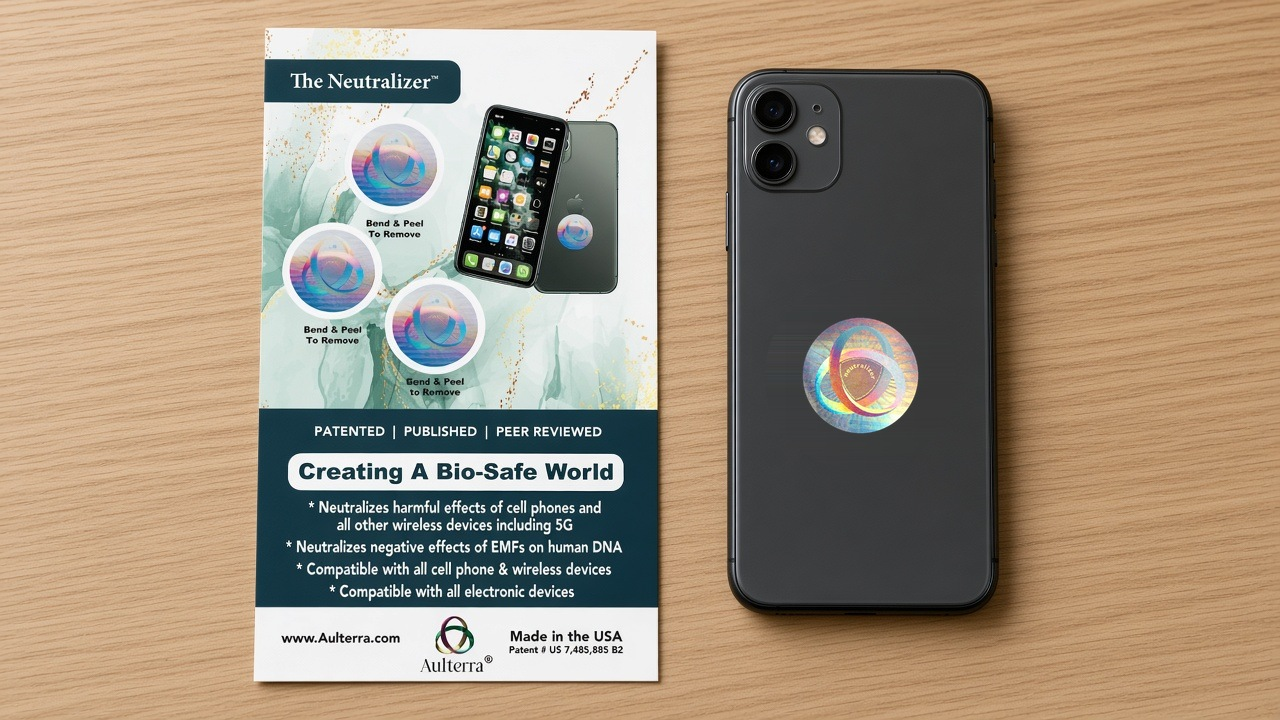
How to Apply EMF Neutraliser Disc: A Step-by-Step Guide for Phones and Home Devices
To apply an Aulterra EMF neutraliser disc, clean and dry the back of your phone, peel the disc, and press it on firmly, clear of camera lenses and ports, then f…